5 common sitting habits affecting posture and comfort at work. Simple ergonomic fixes to reduce strain and improve productivity daily.
You don’t need someone to tell you something feels off. You already notice it.
That slight forward lean during long calls. The way your back gives up by midday. The constant shifting in your chair trying to “get comfortable.”
It’s not new.
It’s just… ignored.
Because work continues. Deadlines don’t wait. So you adjust. You manage. You carry on. But here’s the thing: posture issues don’t suddenly appear one day.
They build quietly through everyday sitting habits.
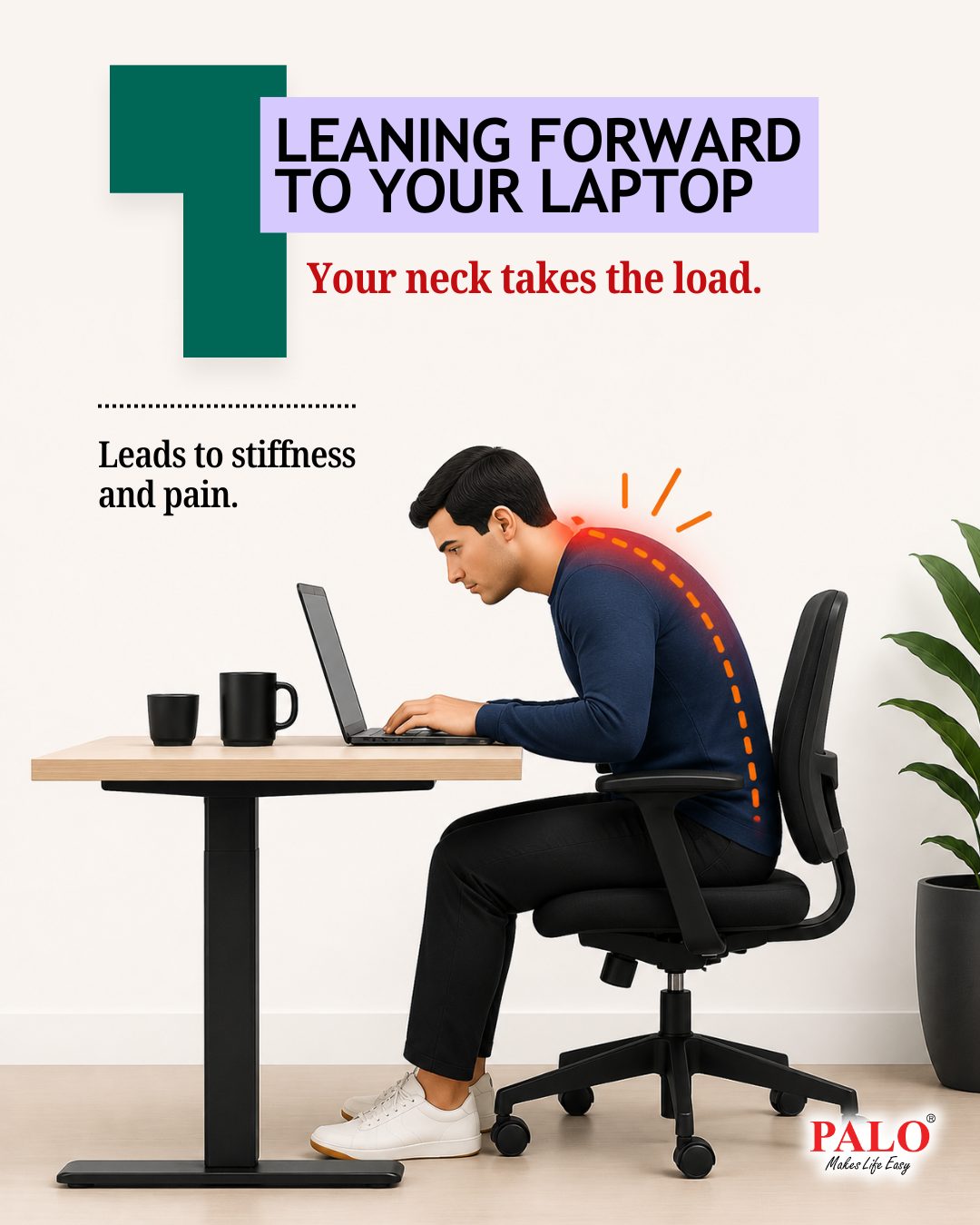
You’re not alone. Almost everyone does it. The laptop is a little too far. The screen is a little too low. So your body does the extra work. Over time, that forward lean turns into neck strain, shoulder tightness, and fatigue that doesn’t go away easily.
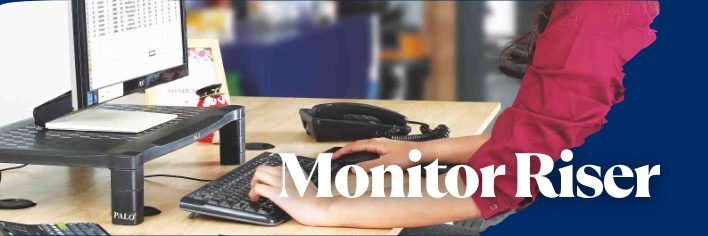
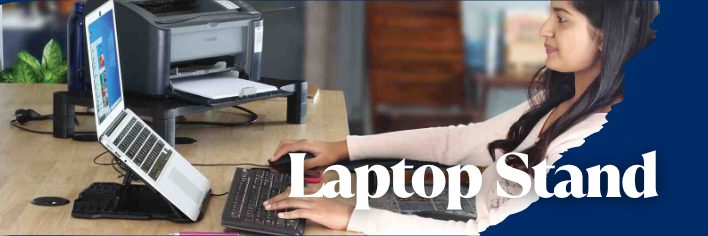
A simple shift like raising your screen to eye level using monitor risers or a laptop stand can change how your body feels through the day.
You sit. But your back? It’s doing all the balancing. Without support, your spine slowly curves into that familiar slouch. It feels harmless—until it becomes your default posture.
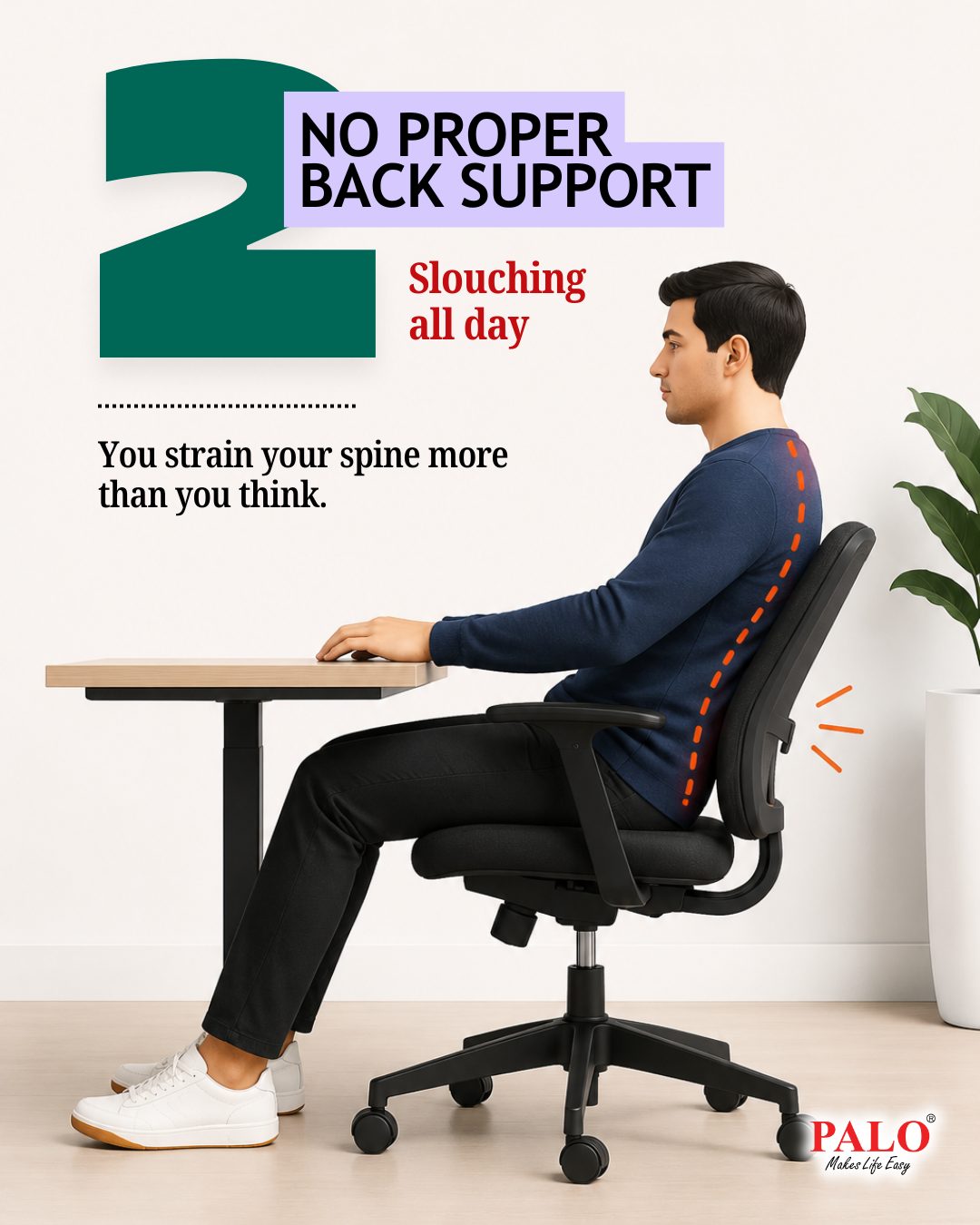
This is where ergonomic back support makes a difference. Not dramatic. Just enough to keep your posture aligned without you constantly thinking about it.
You tell yourself, "Just one more task.” And suddenly, it’s been hours. The body isn’t built to stay still that long. Even perfect posture won’t hold if there’s no movement.
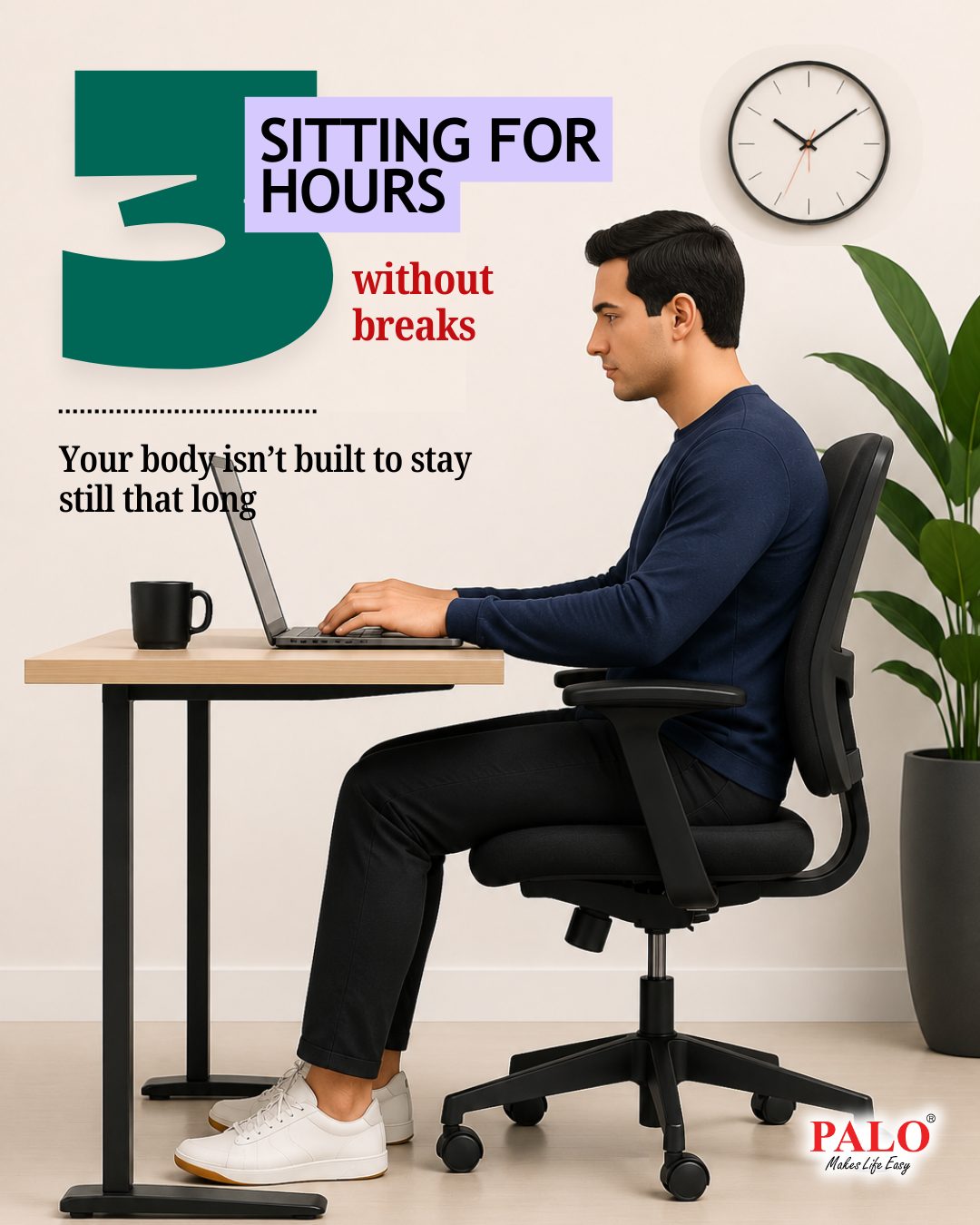
While breaks matter, your setup also plays a role. When your workstation supports your body better, the strain reduces—even during long hours.
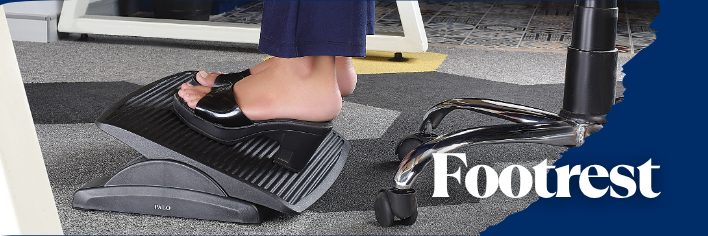
It’s easy to overlook. Feet tucked under the chair. Hanging slightly above the ground. Shifted unevenly. But your lower body alignment directly affects your upper body posture.
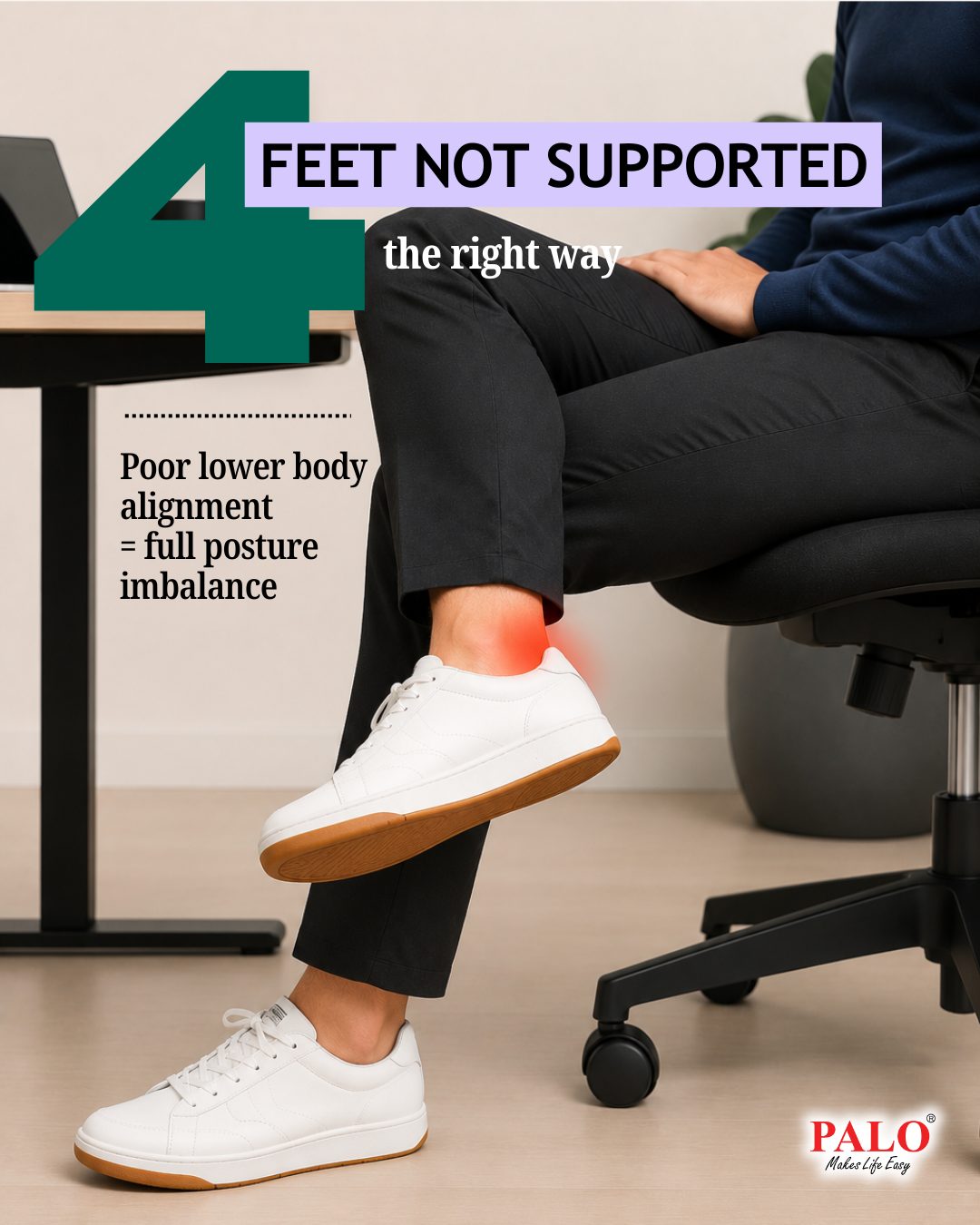
Using a footrest helps maintain balance, reduces pressure, and keeps your posture stable without effort.
This is probably the most common one. Looking down—constantly. It doesn’t feel like a big deal in the moment. But over time, it leads to that familiar “heavy neck” feeling by evening.
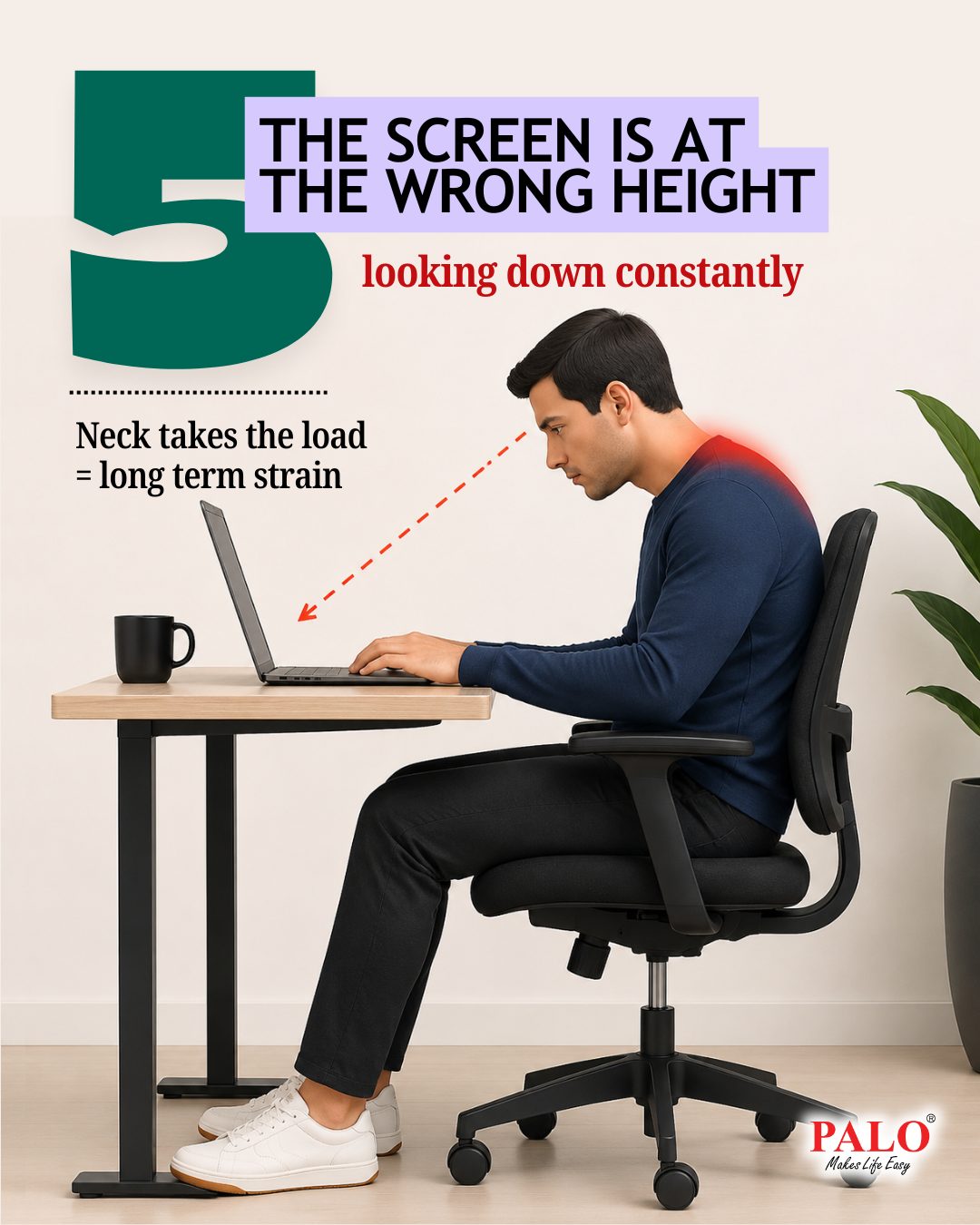
A small adjustment in screen height—using a laptop stand or monitor riser—helps bring your screen to a natural eye level.
You don’t need a complete overhaul. Most people already know these things. They just don’t act on them. And that’s where the real change happens in small corrections that fit into your everyday routine.

Because better posture isn’t about awareness anymore.
It’s about making it easier for your body to stay aligned while you work.
💬 Curious what can help? Connect with the PALO team today?
You can talk to us at +91 93214 13301 or drop us an email at info@paloworld.com.
(Access each category to find the right fit for your workspace.)